3 minutes | Also available in 🇵🇱
Wotum 1.0 - Polish Presidential Elections 2025
Wotum started from a very practical observation.
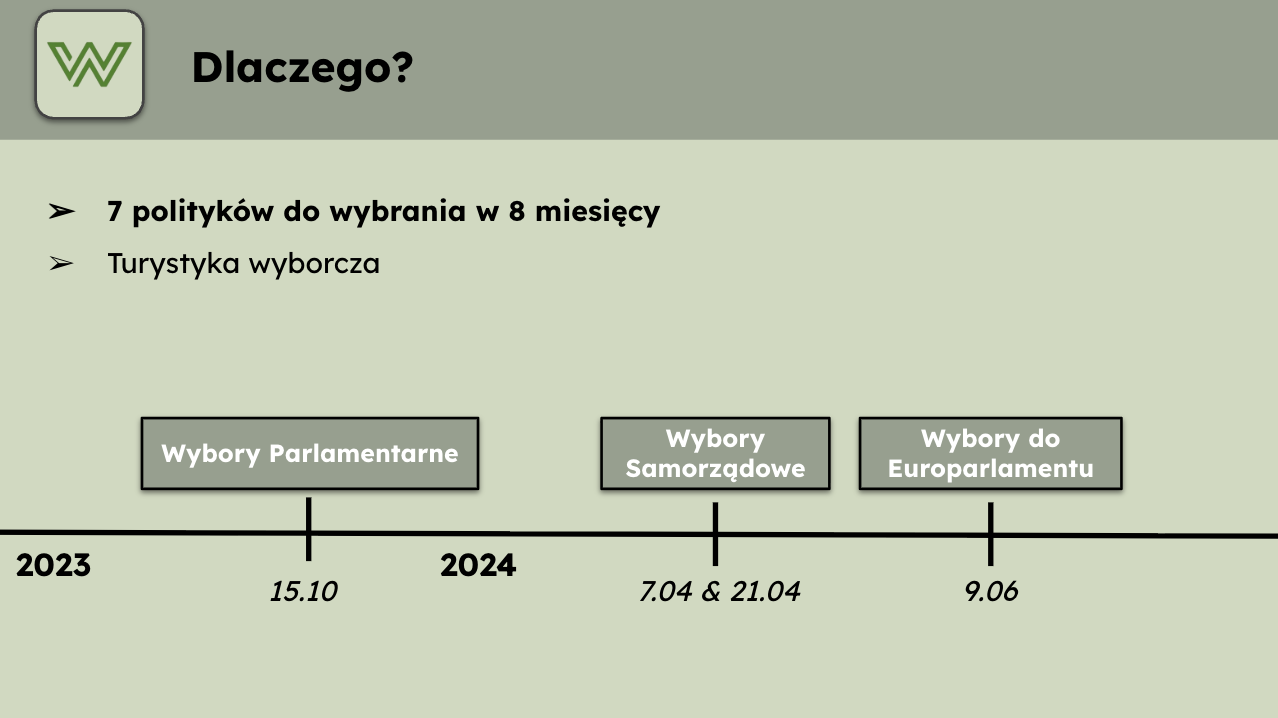
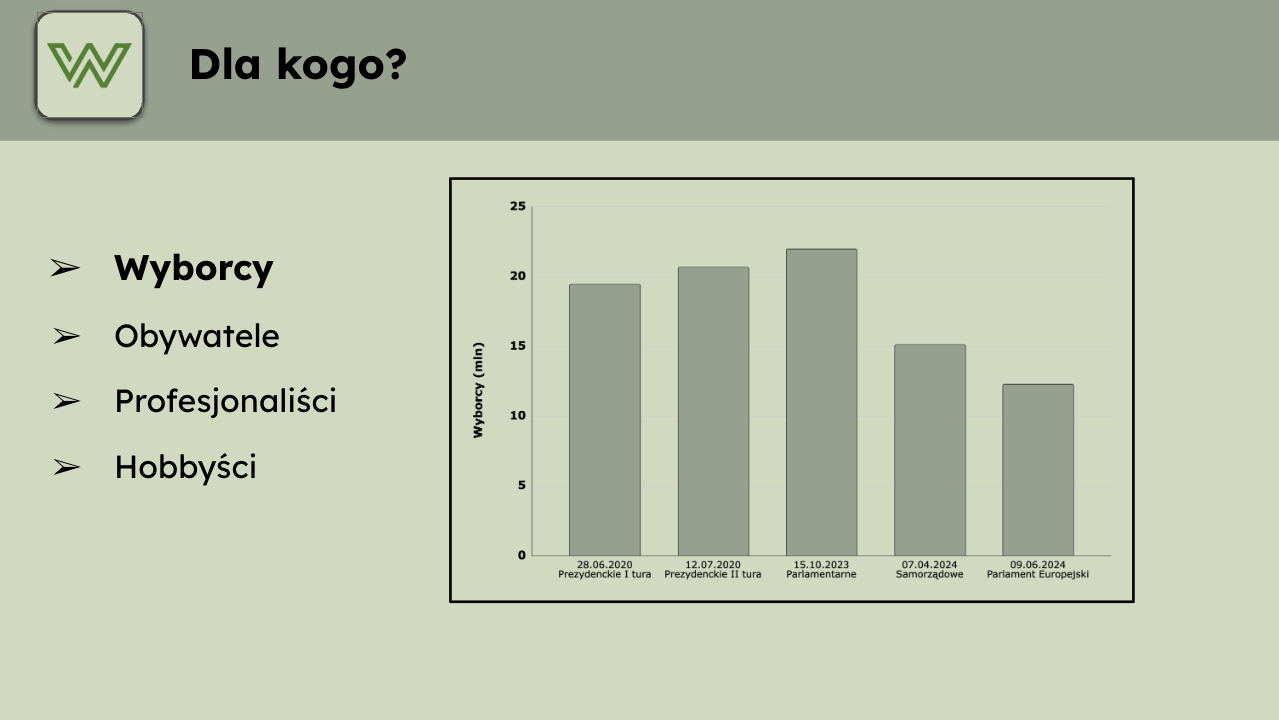
In 2023-2024, Poland went through three major elections within roughly eight months: parliamentary, local government, and European Parliament elections. Each of them meant being confronted with hundreds of candidates across multiple lists, while ultimately voting for around eight representatives at different levels. With political information scattered across articles, PDFs, voting records, and social media, making a genuinely informed choice today translates into hours of manual research that most people simply do not have.
In conversations with my family and friends, I noticed this wasn’t an exception but the norm. People genuinely tried to vote responsibly, but despite their best efforts, many were left unsatisfied with both their choice and the amount of research they had managed to do. Once elections passed, accountability quickly faded. It became hard to recall who we voted for, what they promised, or how they acted later. The information existed, but following it over time was simply too costly.
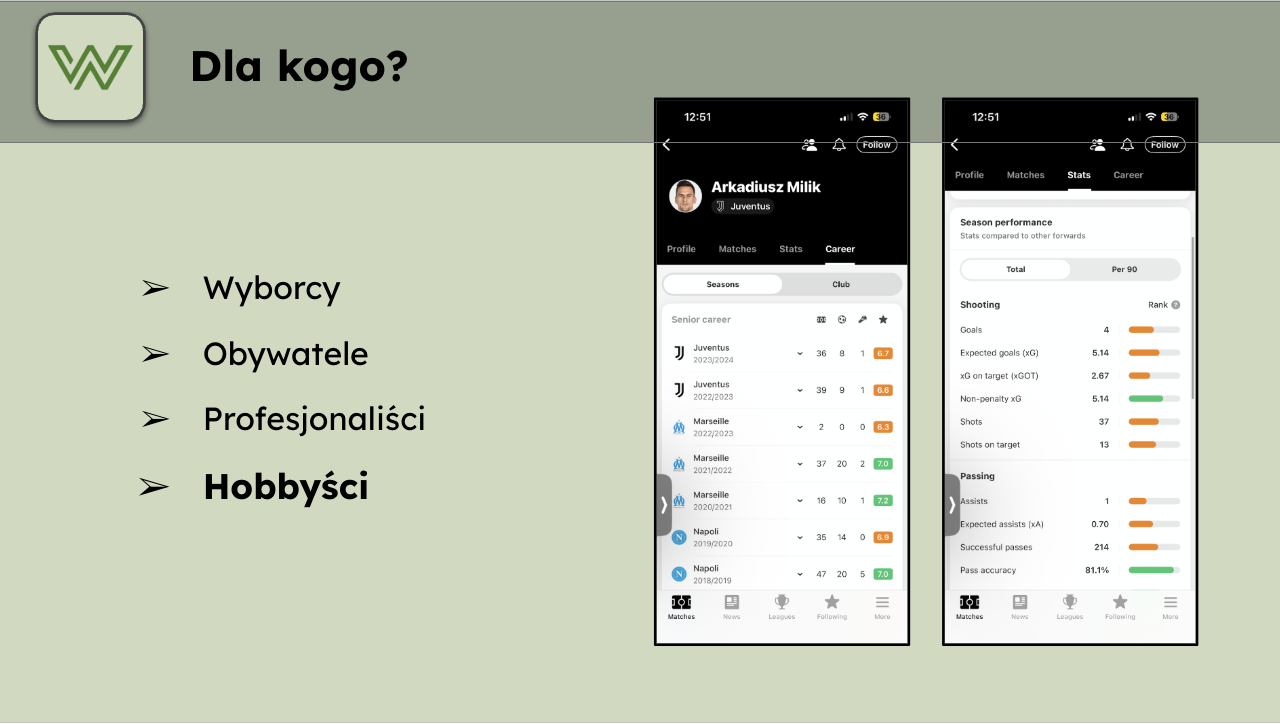
At the same time, we already know how to handle complexity in other areas. Sports fans can track players, transfers, form, and statistics effortlessly. With today’s advances in data tooling and AI, I saw a clear opportunity to bring politics closer to that model and fundamentally improve how we understand and follow politics over time.
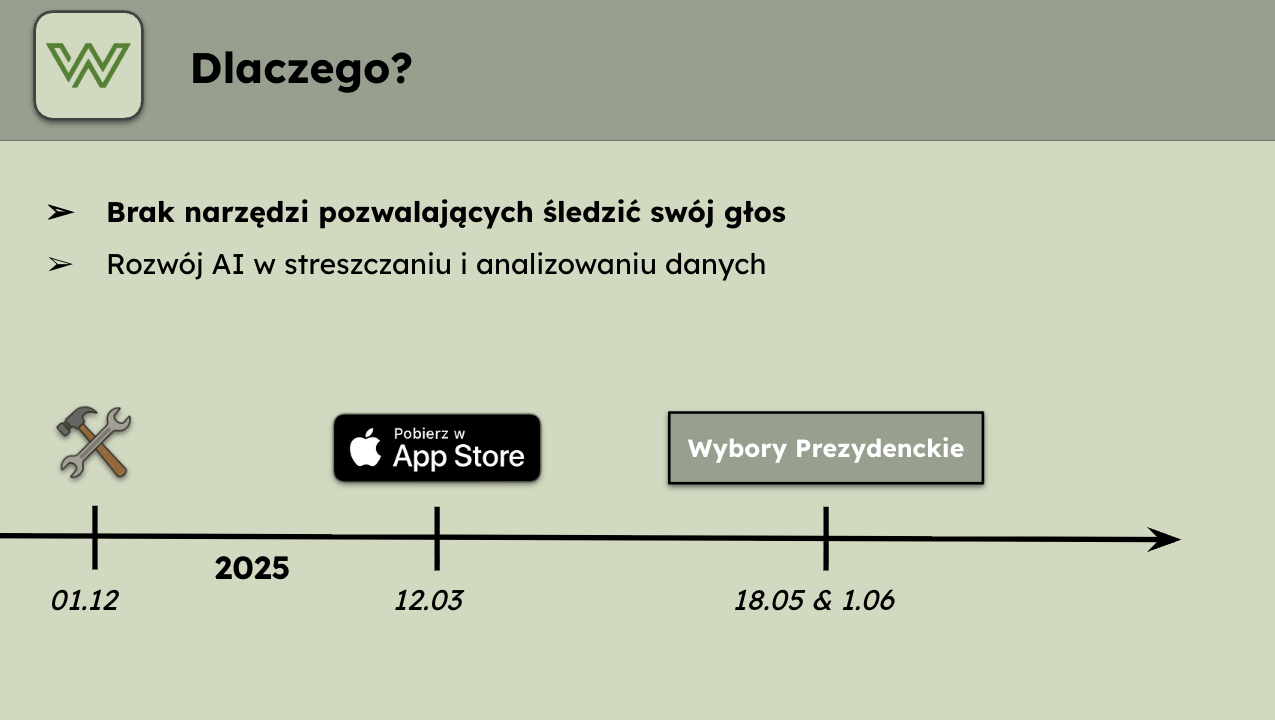
That gap is what I decided to challenge. After working on the idea on and off for almost two years, I released Wotum 1.0 in March 2025, ahead of the Polish presidential election.
What Wotum 1.0 did
The goal of the first version was narrow and intentional: to help people make a more informed choice, by putting key political signals in one place and making them easier to compare.
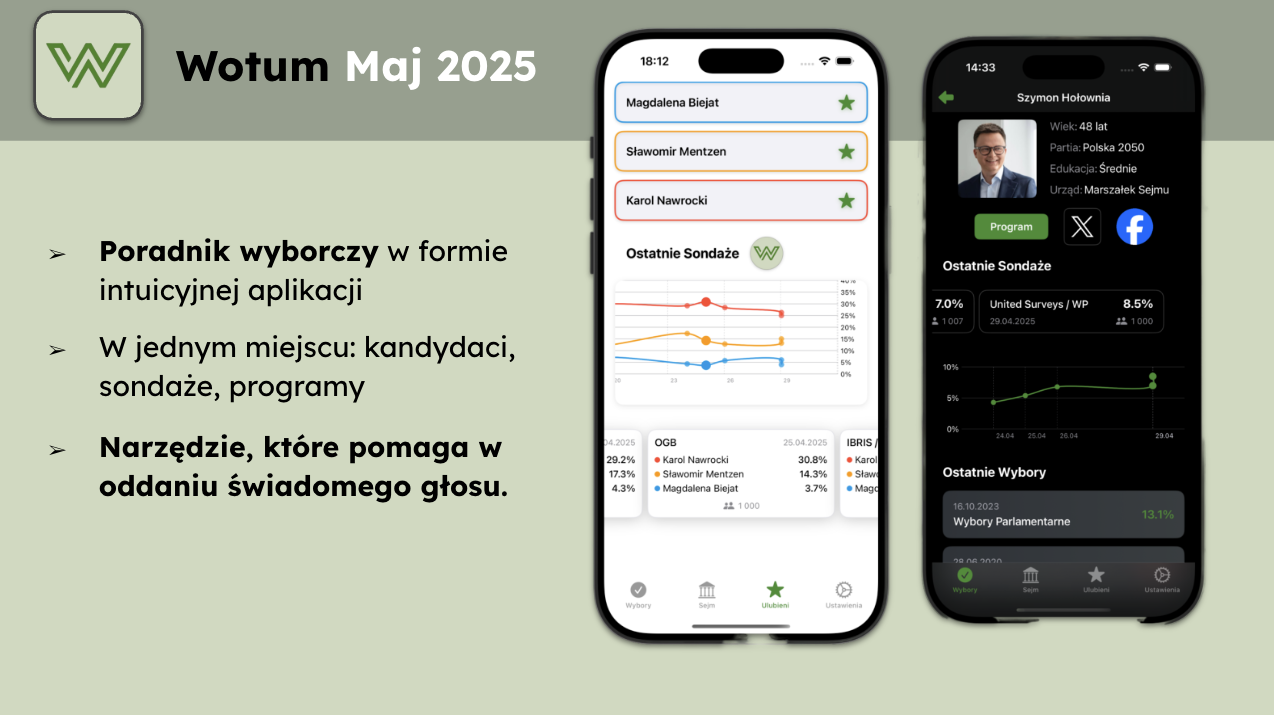
Wotum 1.0 brought together:
- Aggregated polling data from multiple sources, updated as new polls appeared
- Push notifications when new polls were published, so users could stay up to date without actively tracking sources
- Candidate profiles, with direct links to official programs
- Past election results, providing historical context
Nothing revolutionary in isolation - but together, these elements formed a clearer, more structured way to follow an election cycle.
Wotum Launch Event | 10.05.2025
Before the election weekend, I organized a small Wotum Launch Event on May 10.
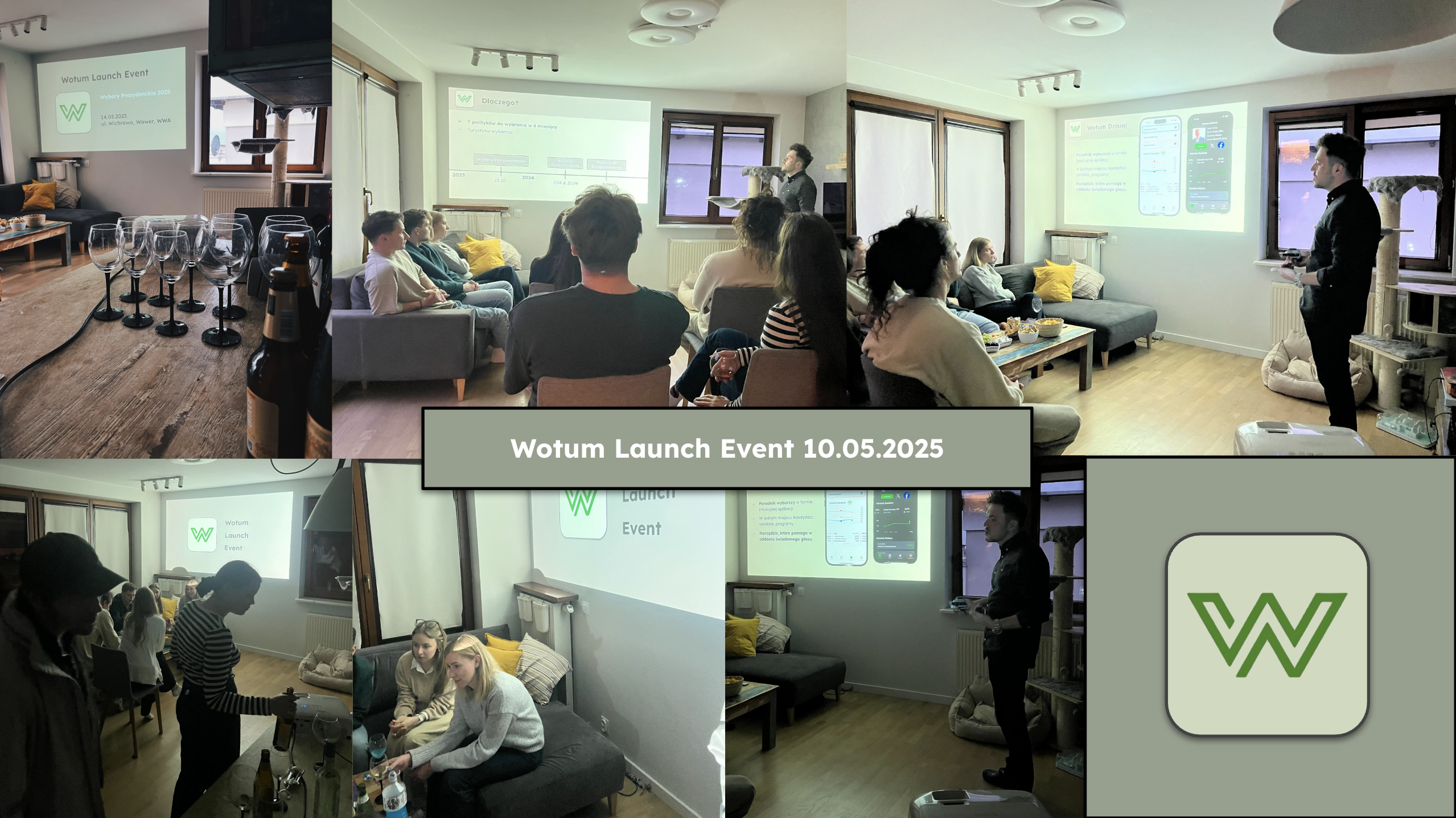
I presented the product, the underlying assumptions, and a short deck to friends and people from my close network. What followed was exactly what I hoped for: discussion, debate, and honest feedback - not only about the app itself, but about how people consume political information, what they trust, and what feels missing.
That evening helped accelerate progress. Several ideas discussed there directly influenced how I think about Wotum’s next iterations.
Elections Weekend | 16-17.05.2025
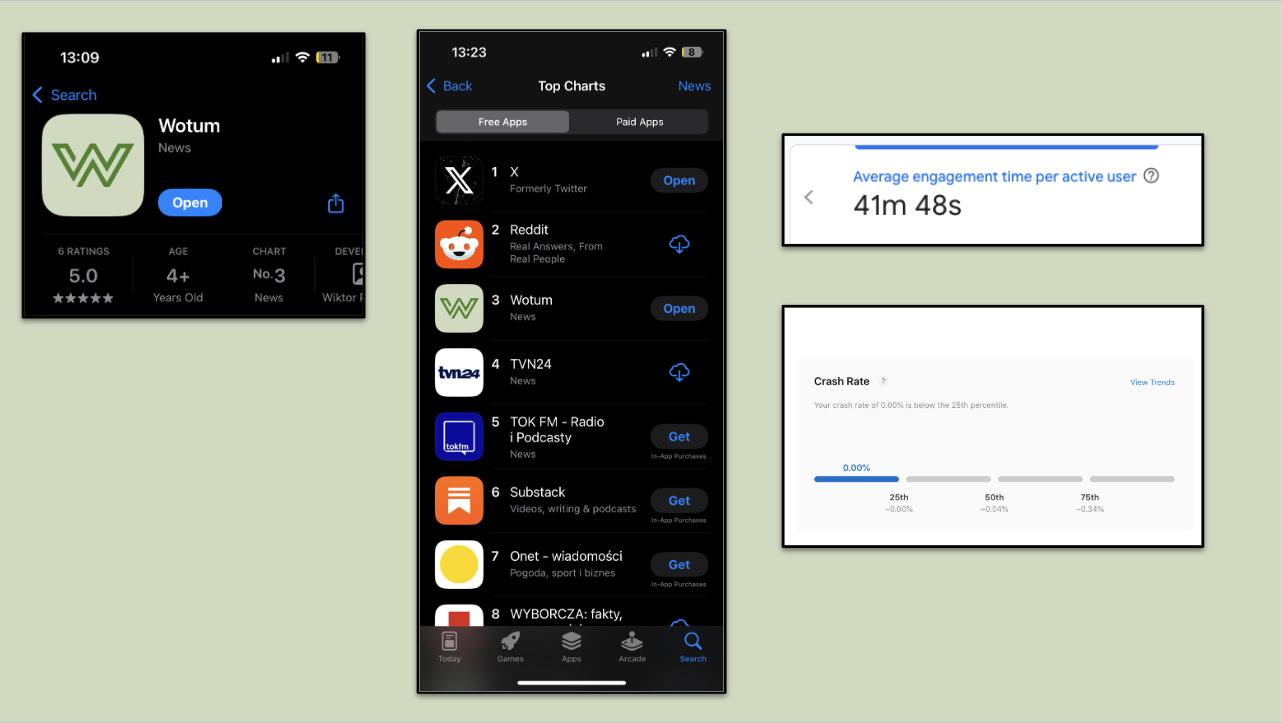
In the days leading up to the election on May 16, Wotum reached #3 in the News category on the Polish App Store, just behind X and Reddit.
That moment mattered less as a ranking and more as validation: there is demand for tools that help people engage with politics in a clearer, more structured way - especially on mobile.
What’s next
Wotum 1.0 focused on before the vote. The next direction focuses on after the vote:
- tracking what happens to electoral promises
- following legislative processes
- connecting speeches, votes, and outcomes
- understanding how political decisions translate into real-world impact
The broader idea remains the same: use technology to make political information more accessible, structured, and accountable.
Thanks to everyone who downloaded the app, attended the launch, shared feedback, or reached out. It’s been a strong motivation to keep building.
584 Words
2025-06-01 10:00 CET